“See the light in others and treat them as if that’s all you see.” ~ Wayne Dyer
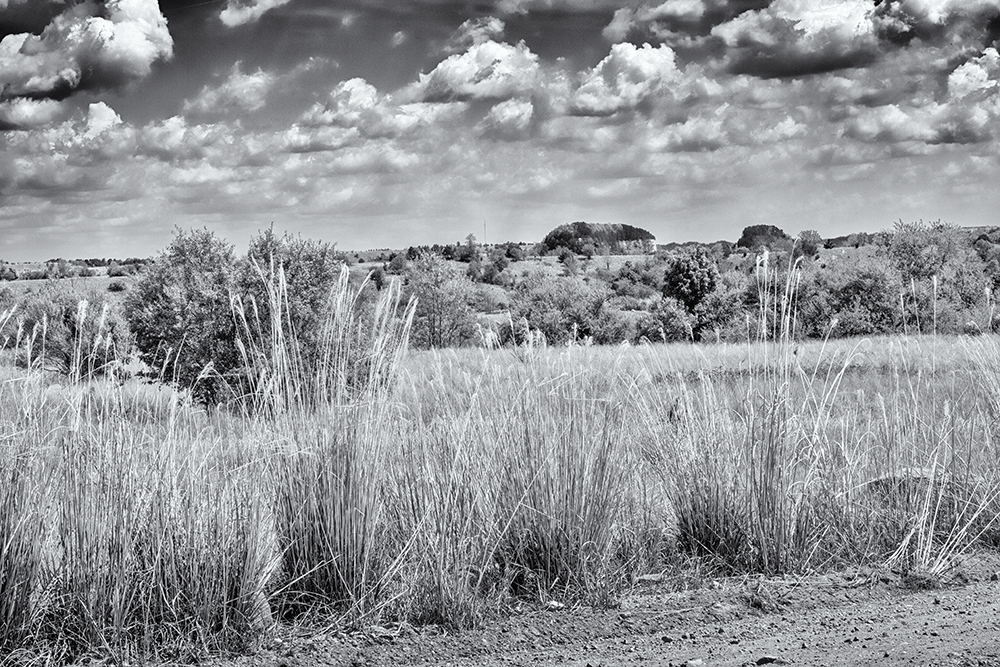
Sahel or Hazard?
The view of a reclaimed (I use that word lightly) strip mine in eastern Kentucky is not unlike other areas of the world. I am reminded of the Sahel, a strip of land in Africa that separates the Sahara Desert and the savannahs to the south. It’s not a desert, it has scattered trees and grasses, but it’s not a savannah either, with very limited rainfall. An Appalachian strip mine does become a desert of sorts after its foliage and topsoil are stripped away, leaving only rock and subsoil ill-suited for native seed germination. Mining companies, as part of their “reclamation” efforts, compact the soil so it won’t flow off quite as easily into the valleys below. But this soil compaction further limits the growth of the area’s natural flora and fauna because their seeds can’t take root. What grows in their place is scrub brush and grasses better suited to a rugged, dry, mineral-deprived landscape. The Surface Mining Control and Reclamation Act of 1977 was supposed to force mining companies to fully reclaim the land, in other words, recontour the land near its original shape, replace the topsoil removed to get to the coal, reclaim with native species, and provide proper drainage for the rains. The cost of doing any of this is so cost-prohibitive that the mining companies don’t do it. They get away with it because that same law allows the creation of flat land for farming or other industries, and then sow cheaper grasses that will grow in substandard soil not native to the Appalachian region, thus providing the guise of reclamation. I’ve never seen a strip mine where the top soil pushed into nearby hollers has been put back on top of the land. They’ve already screwed up the holler’s drainage, foliage, and wildlife, so putting the topsoil back on top of the mountain just means they have to recreate what God had already made, and the topsoil would just run off into the streams. Kenton asked me what I thought of the new housing project on the nearby Knott County strip mine (you might remember when I went with Kathryn Engle’s class to help build some of those houses for the 2022 flood victims). I had plenty to say about it, and at the top of my list was that there is no topsoil for which to grow a yard of grass, let alone a garden that most of the residents, in their natural habitats, were accustomed to having. It will take a thousand years for the soil on a strip mine to become healthy topsoil, and that’s only if we can get trees back in place to aerate the soil and drop leaves every season. Those families don’t have a thousand years to grow a garden, and that’s just one of a laundry list of issues those families face in this new world. They won’t wash down the creek with the next big flood, but they’re living in a landscape unlike anything they’re used to seeing in the hollers, surrounded by people who were not their neighbors before this community of houses was erected. It will be interesting to see what happens to that housing project, but I will always hold out hope for Mother Nature. Projects like the ones I was part of on Friday give me hope that we can help Mother Nature recover from what we destroyed.
No responses yet